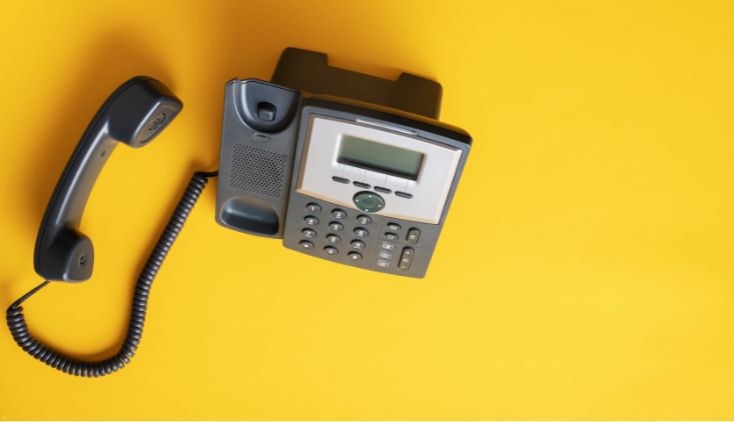
What is a Caption Phone?
A caption phone is a specialized telephone designed for people with hearing loss. In addition to offering amplified sound, it includes a large screen that shows written captions of the conversation. The captions are generated either by a live operator (using advanced voice recognition technology) or by automated speech-to-text software.
Caption phones look like traditional landline phones but include:
- A large, easy-to-read screen.
- Adjustable volume and tone controls.
- Amplified audio.
- Simple, oversized buttons.
- Internet connectivity for captioning services.
They do not replace hearing aids or cochlear implants, but they provide a helpful backup for words that are hard to catch.
Benefits of Caption Phones for Seniors
1. Clearer Conversations
The biggest benefit is improved clarity. Instead of guessing or mishearing important information, seniors can read the caller’s words on the screen. This is especially helpful for:
- Medical conversations.
- Scheduling appointments.
- Talking to customer service.
- Understanding accents or fast talkers.
2. Reduced Stress and Frustration
Many older adults feel embarrassed or anxious when they can’t hear well on the phone. Caption phones remove much of that stress and make talking on the phone enjoyable again.
3. Better Independence
By improving communication, caption phones help seniors stay self-sufficient. They can handle calls on their own without relying on someone else to listen in or repeat information.
4. Accessibility Features
Caption phones often include features designed with seniors in mind, such as:
- Large text sizes.
- Bright, high-contrast displays.
- Hearing aid compatibility.
- Caller ID and call logs with saved captions.
5. No Extra Cost for Captioning
The captioning service itself is federally funded through the FCC, so users do not pay for the captions. The only requirement is having an internet connection.
Different Caption Phone Options
Several well-known companies provide caption phones in the United States. Each has its own design, features and level of support, but all provide essentially the same captioning function.
1. CapTel (Captioned Telephone)
CapTel is one of the most widely recognized brands. Their phones include:
- Large screens.
- Built-in amplification.
- Wi-Fi or landline options.
- Models for standard telephone lines or VoIP systems.
CapTel phones tend to be highly user-friendly and are popular among seniors.
2. CaptionCall
CaptionCall offers sleek devices with touchscreen displays and customizable text sizes. Their phones also include powerful voice recognition technology and enhanced volume controls. CaptionCall is known for excellent customer service and in-home setup support.
3. ClearCaptions
ClearCaptions provides caption phones with bold, high-contrast displays and large text options. They also offer a mobile app, allowing captions on smartphones and tablets—a great choice for seniors who want flexibility.
4. Hamilton CapTel
Hamilton’s models are similar to CapTel’s, offering simple-to-use devices with strong caption accuracy. They also support Wi-Fi and landline connections.
How Seniors Can Get a Caption Phone for Free
Many seniors qualify for a free caption phone under the FCC’s IP Captioned Telephone Service (IP CTS) program. This program ensures that people with hearing loss can communicate by phone just like anyone else.
Eligibility Requirements
To receive a phone at no cost, seniors must:
- Have hearing loss that makes it difficult to use the phone normally.
- Self-certify their need for captioning (a simple form).
- Have an internet connection.
A doctor’s note is not always required, though some providers may ask for one depending on state rules.
How the Process Works
- Choose a caption phone provider (CapTel, CaptionCall, ClearCaptions, etc.).
- Fill out a certification form confirming a hearing-related need.
- Schedule installation, which is often free. Many companies offer in-home or remote setup, so seniors get hands-on training.
- Start using the caption phone with no ongoing cost for the captioning service.
The FCC covers the cost of captioning through telecommunications funding—not taxpayer dollars—making the service accessible to anyone who qualifies.
Buying a Caption Phone Outright
If a senior prefers to purchase a caption phone without going through the certification process, they can:
- Buy directly from manufacturers.
- Purchase through third-party retailers.
- Explore refurbished or discounted options.
Prices typically range from $75 to $300, depending on features. This can be a good option for people who want a device immediately, without paperwork or for those giving caption phones as gifts.
No More Missed Conversations
Caption phones are a valuable resource for seniors experiencing hearing loss. They restore confidence, reduce communication barriers and make daily life more manageable. With multiple device options and a federal program that allows many seniors to receive them for free, caption phones offer an accessible and empowering way to stay connected.
Whether used for chatting with family or managing important tasks, these devices can significantly improve quality of life and independence for older adults.